Truth and Reconciliation

Update on the Truth and Reconciliation Commission's Calls To Action


10 Years of Truth and Reconciliation - Reflecting and Recommitting

Timeline

2016: A Council of Elders begins to provide guidance on curriculum and learning activity development through the public schools’ strategic plan.

2017: NB releases its Plan to Prevent and Respond to Violence Against Aboriginal Women and Girls

2018: Future Wabanaki initiative was created to support experiential learning for Indigenous post-secondary students

2019: GNB begins engagement with First Nations Child and Family Services agencies to inform development of new child and youth well-being legislation

2020: Sacred medicines become available in some New Brunswick hospitals

2022: NB officially recognizes the National Day for Truth and Reconciliation as a day of commemoration

2023: GNB publishes its official response to the Missing and Murdered Indigenous Women and Girls Inquiry: Weaving Our Voices Together

2024: GNB provides multi-year funding for the Indigenous-led Indigenous Court Worker and Gladue Writer Programs

2025: Launch of the health bilateral forum to advance culturally safe and equitable healthcare for Indigenous people

Progress on the Calls to Action

Reconciliation is an ongoing process that requires a commitment to building trust and understanding, fostering respect, improving relationships between peoples, and addressing historical injustices that continue to have impacts today. On this journey of healing, the participation of all Canadians is essential.

It is important to recognize the steps that have been taken so far. For example:

  • GNB launched mandatory Indigenous awareness training modules within the public service in January 2024. As of August 2025, over 9,600 employees have completed the training.
  • 15 major health facilities now offer sacred medicines and 14 new Indigenous Patient Navigators have been added within health facilities.
  • Approximately $600,000 in annual funding is provided to Future Wabanaki to support experiential learning for Indigenous post-secondary students.

However, it is more important to continue building on the actions that have been initiated and to allocate further resources toward those areas that have not yet seen meaningful progress. For GNB, this begins by ensuring safe and respectful spaces for dialogue with Indigenous people, communities and organizations; listening when they tell us what their priorities are; investing in the commitments that are made; and working together to make the changes that will contribute to healing, growth and prosperity.

“The road we travel is equal in importance to the destination we seek. There are no shortcuts. When it comes to truth and reconciliation, we are forced to go the distance.”

— Justice Murray Sinclair

Calls to Action Overview

94 Total Calls to Action | 31 Provincial Calls to Action

Everyone has a role to play in advancing reconciliation.

What You Can Do

Reconciliation is a collective journey. We all have a role, and education and awareness are key.

  • Visit GNB’s Truth and Reconciliation in Action website
  • Attend Indigenous learning opportunities
  • Attend public Indigenous events in First Nations communities

Residential Schools

  • 150,000+ Indigenous children forcibly enrolled in residential schools across Canada between 1883 and 1996
  • 1 in 25: Odds of dying in a residential school – comparable to Canadian soldiers in WWII
  • 1993: The last Indian day school in New Brunswick closes in Natoaganeg

Delivering on the Truth and Reconciliation Commission’s Calls to Action

Click a category below to view the Calls to Action in New Brunswick jurisdiction and to see how New Brunswick is responding.


*Information updated December 2024
Page published June 2025


Reports

Truth and Reconciliation Commission’s Final Report (2015)

The Truth and Reconciliation Commission (TRC) began its work on June 1, 2008. The TRC mandate describes reconciliation as “an ongoing individual and collective process and will require commitment from all those affected including First Nations, Inuit and Métis former Indian Residential School students, their families, communities, religious entities, former school employees, government and the people of Canada.”

The Commission identified 94 Calls to Action in its Final Report in 2015. Thirty-one of those Calls fall under the jurisdiction of the provincial government with some overlap with other government organizations – federal, municipal, territorial, and Indigenous.

That 2015 report called on all levels of government, in addition to organizations and residents of Canada in general, to take action to mend the legacy of the residential schools and advance the process of reconciliation between Indigenous and non-Indigenous people in Canada.

New Brunswick’s Report on Implementation of the Truth and Reconciliation Commission Calls to Action (2021)

Of the 94 Calls to Action identified by the Truth and Reconciliation Commission in its Final Report, 31 of those Calls fall under the jurisdiction of the provincial government with some overlap with other government organizations – federal, municipal, territorial and Indigenous.

The Government of New Brunswick released its Report on Implementation of the Truth and Reconciliation Commission Calls to Action in May 2021. It provided a list of the Calls under New Brunswick jurisdiction as well as the progress that had been made for each.

In 2022, New Brunswick launched the Truth and Reconciliation web portal to replace the 2021 Report on Implementation.


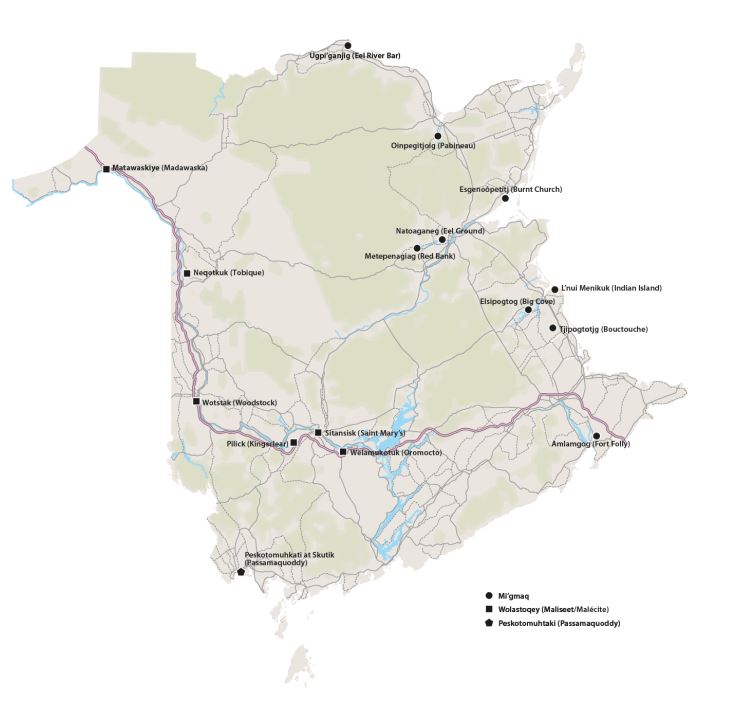
First Nations communities


What you can do to help

While the path to reconciliation is a collective journey for New Brunswickers and Canadians, there are ways to make progress individually.


How should I talk to my child/children about the Calls to Action and the legacy of residential / day schools in Canada?

The First Nations Child & Caring Society has excellent resources on this topic.


Latest News


FAQ

For a list of frequently asked questions: