Government of New Brunswick
safesleep_babytoes_600x180

Good sleep is important for your baby’s health. A sleeping baby is a peaceful sight, and in the first few months, parents spend a lot of time learning their baby’s sleep habits.

We often think about when and how babies sleep—but where they sleep is just as important.

Not every place is safe for a baby to sleep. Babies under 6 months are at higher risk because they can’t move their heads or shift their bodies well yet. Sadly, babies can accidentally die while sleeping if they can’t breathe because something is blocking their nose or mouth. This is called suffocation or smothering and can be prevented. This is different from Sudden Infant Death Syndrome (SIDS), which is when a baby dies during sleep for no known reason.

To keep your baby safe, never let them sleep on a couch, in a car seat, on a chair, or in a bed with adults, children, or pets. These places can be higher risk for accidents. A baby could roll into soft pillows, get caught in blankets or straps, or be rolled on by someone else.

Sleep accidents can happen to anyone. But by choosing a safe sleep space every time, you can help protect your baby.

banner_breast_no-text_600x180

Safe Sleep is the Best Sleep


To reduce the risk of SIDS and accidental death related to suffocation or smothering, follow these tips:

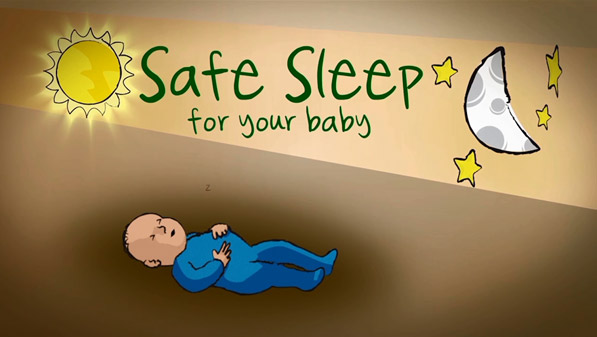
  • Place baby on their back to sleep, for naps and at night.
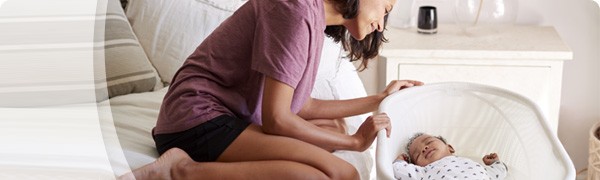
  • Room Share. Keep baby in your room, not your bed. Put their crib or bassinet next to your bed for easy feeding and comfort. This is recommended for the baby’s first six months.
  • Never put your baby to sleep on a couch, sofa, or armchair. If baby falls asleep on these surfaces, place them in their own bed as soon as possible.
  • Never let baby sleep in car seats, swings, or bouncers for long periods, especially when not supervised.
  • Use a crib, cradle, or bassinet that meets Canadian safety standards, with a firm mattress and a fitted sheet.
  • Keep the sleep space free of pillows, toys, bumper pads, and loose blankets.
  • Prevent your baby from overheating. Dress baby in a sleep sack or onesie instead of using a blanket.
  • Keep your environment smoke free during pregnancy and after baby is born.
  • Breastfeeding helps protect your baby from Sudden Infant Death Syndrome (SIDS). The longer you breastfeed, the more it helps keep your baby safe.
  • Return baby to their own bed after breastfeeding and skin-to-skin.


Room sharing versus bed sharing – know the risks


Babies should only sleep in places made just for them, like a crib, cradle, or bassinet. They should not sleep on couches, sofas, or in the same bed with adults, other children, or pets. This is called bed sharing, and there is a higher risk for accidents.

  • Babies sleeping on adult beds can fall, get stuck between the bed and wall or furniture, or get tangled in blankets or pillows. These accidents can cause serious injuries or even death.
  • There is even more risk for accidents if the adult in the bed has used alcohol, drugs, or medicine that makes them sleepy.
  • Smoke in the air—of any kind—is also very harmful to babies.

Room Sharing Is Safer

Room sharing means your baby sleeps in the same room as you, but not in the same bed. This is the safest way for your baby to sleep and is recommended for the first 6 months.

Many parents who breastfeed bring their baby into the bed for feeding or skin-to-skin time. This is okay if you are awake and alert. When feeding is done, the safest thing to do is place your baby on their back in their own bed, next to yours.

Safe sleep saves lives—every nap and every night.