Health precautions for wildfire smoke
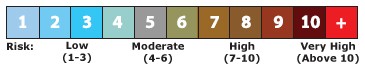
Residents are reminded to take precautions when heavy smoke affects air quality. Infants, children, pregnant women, older adults, smokers and people with chronic heart or lung diseases should stay indoors to reduce their exposure to the outdoor air. Minor smoke conditions do not typically cause health concerns in most healthy individuals. However, if smoke conditions become more severe, people may experience irritation of the eyes, throat and possibly shortness of breath. Individuals should adapt their activities as necessary.
People experiencing difficulty breathing or chest discomfort should consult their physician or contact Tele-Care 811. People in severe distress should always call 911 immediately.
Public Health officials also recommend that residents follow these guidelines if they can taste or smell smoke in the air:
- Be aware of your symptoms.
- Reduce levels of physical activity as necessary.
- Continue sheltering indoors with windows closed.
- Turn air exchangers off to avoid bringing outside air into the home.
Individuals with respiratory conditions such as chronic obstructive pulmonary disease and asthma, and those with existing cardiovascular conditions such as angina, previous heart attack and congestive heart failure, may be more likely to notice worsening of their symptoms. Public Health advises them to take the precautions and steps they normally do when experiencing a worsening of symptoms.